How to Choose the Best Racing Shoes for Your Needs?
Choosing Racing Shoes is not about buying the lightest pair or copying a champion’s setup. It is about matching the shoe to your race, pace, experience, and feet. A track spike may feel sharp and secure on a synthetic surface, yet awkward on a road. A carbon-plated road shoe can feel springy at race pace, but less comfortable during a slow jog. Small details matter: heel hold, toe-room, outsole grip, and how the shoe feels after several minutes of running. No single design works for everyone.
Biomechanist Benno Nigg’s well-known comfort-filter principle is often summed up this way: “The best shoe is the one that feels best.” Treat that as a useful starting point, not a complete fitting test. Try candidate shoes at a realistic pace, and notice pressure across the forefoot, slipping at the heel, or discomfort around the toes. If possible, compare them on the surface you plan to race on. A shoe that feels fast for one short lap may tell a different story after several kilometers. It happens.
This guide will help you weigh race distance, terrain, fit, cushioning, traction, and shoe construction. It will also explain when lightweight models or plated designs may suit your goals—and when they may not. Your training history matters. So does your comfort. Be honest about both. The choice can still involve trade-offs, and a fitting session cannot predict every race-day sensation. Use the guidance as a framework, then test carefully before committing to your next pair of Racing Shoes.
Understand the Main Types of Racing Shoes
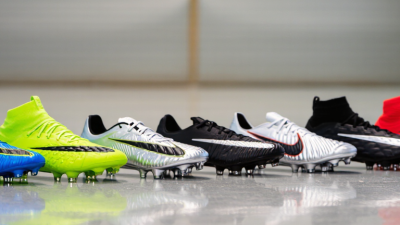
Racing shoes are built for different surfaces and race distances. Road racing flats are light, flexible, and suited to pavement. They often work well for shorter road events, where quick turnover matters. Some include a stiff plate to help maintain forward motion. That does not make every runner faster. A narrow fit or firm ride can feel tiring over longer distances.
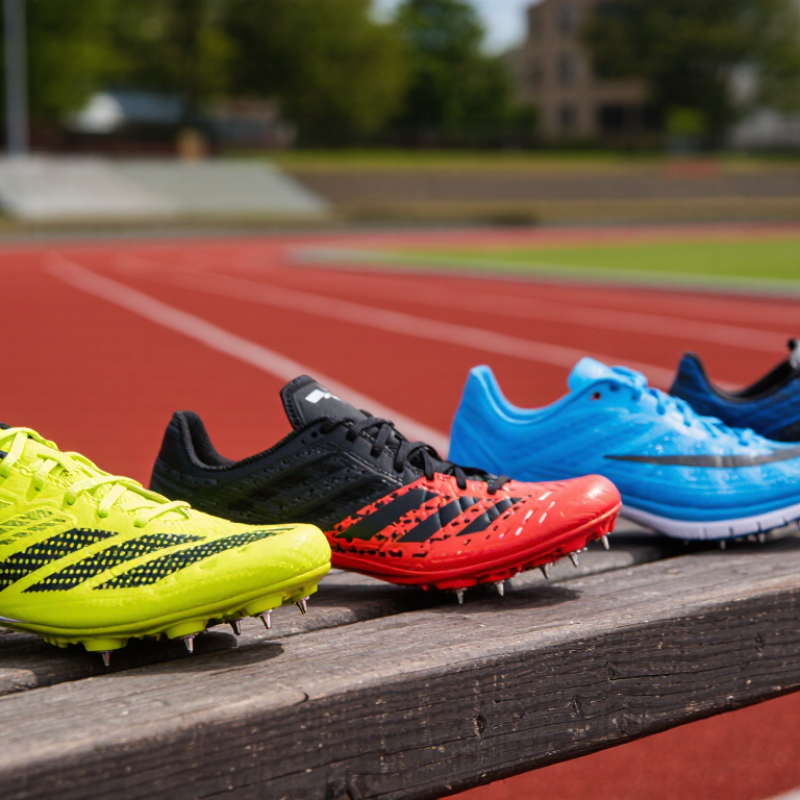
Track spikes use small metal pins for grip on a track. Their thin soles and close fit support fast laps, but they offer little cushioning on roads. Try them gradually; calves and feet may need time to adjust. Trail racing shoes have deeper lugs and tougher uppers for dirt, rocks, and wet paths. On smooth pavement, those lugs can feel awkward.
Match the shoe to your event, surface, and training history. Check that your toes can spread, especially when running downhill or late in a race. A shoe that feels quick for a short test may rub after several miles. That detail is easy to overlook. If possible, test your choice at race pace on similar terrain, and pay attention to pressure points rather than relying on weight alone.
Match Shoe Design to Race Distance and Terrain
Choosing racing shoes starts with the course, not the trend. On smooth roads, a light shoe with a responsive feel can suit shorter races, where quick turnover matters. For longer distances, prioritize cushioning that stays comfortable after many miles. A firm, minimal design may feel lively at first, then unforgiving late in the race. Fit matters most.
Trail races call for a different balance. On packed dirt, shallow lugs can offer grip without feeling clumsy on firmer sections. Mud, loose gravel, or wet roots need deeper, more widely spaced lugs for traction. Rocky routes may benefit from a protective plate or sturdier upper, though added structure can feel less flexible. Check the actual course conditions when possible; “trail” covers a lot of ground. Test your choice on similar terrain, and pay attention to hot spots or toe pressure. I would not trust a shoe based on one short run alone.
Tips: Try the shoes late in the day, when feet may be slightly swollen. Test them at race pace, not just during an easy jog. Test them early. Leave time to adjust—or reconsider—if the fit feels wrong.
Assess Fit, Foot Shape, and Running Mechanics
A racing shoe should hold your heel and midfoot without squeezing them. Try it on late in the day, when feet may be slightly larger, and wear the socks you plan to race in. Leave a little room in front of your longest toe; your foot can slide forward on a downhill or during a fast finish. Too much space is a problem, too. Your heel may lift with every stride.
Look at your foot shape, not just the size printed on a shoe. A broad forefoot needs room for the toes to spread, while a narrow heel needs a secure hold without tight lacing. Walk, jog, and turn in the shoes. Any pinching, rubbing, or numbness is useful feedback, not something to ignore. A mirror can help you compare left and right feet, which are often not identical.
Your running mechanics matter, but don’t let one quick gait check make the decision for you. Notice whether your ankle feels controlled and whether the shoe stays comfortable as your pace rises. If possible, test it on a familiar surface for a short run. Fit isn’t a perfect formula; I’d be cautious about treating visible wear or a single stride video as a diagnosis. A shoe that feels fast in the shop may still need a gradual trial.
Compare Weight, Cushioning, Traction, and Support
Choosing racing shoes starts with your event, pace, and how your feet feel under fatigue. Weight matters, but the lightest shoe is not automatically the best choice. A lighter pair may feel nimble over short races, while more cushioning can feel welcome over longer distances. Try shoes late in a training run, when your stride is less fresh. Small differences stand out then.
Compare cushioning on the surfaces you actually race on. A firm feel can offer a direct connection to the road, while softer cushioning may reduce harsh impact for some runners. Traction matters on wet pavement, sharp turns, and loose paths; check that the outsole grips without feeling clumsy. Support should feel secure, not restrictive. Your heel should stay in place, and your toes need room to spread. Shoe comfort is personal, and a quick shop test cannot predict every long run. I have learned that the shoe that feels exciting for one mile may feel tiring later.
Tips: Test each pair with your usual socks and running pace. Jog, turn, and stop briefly. Notice rubbing, slipping, or pressure around the toes. If possible, compare options over several training runs before race day.
How to Choose the Best Racing Shoes for Your Needs? - Compare Weight, Cushioning, Traction, and Support
| Racing Shoe Type |
Typical Weight per Shoe* |
Cushioning |
Traction |
Support and Stability |
Best Suited For |
| Lightweight road racer |
About 170–230 g (6.0–8.1 oz) |
Low to moderate; usually a firmer, more direct feel |
Road-focused rubber; reliable on dry pavement |
Typically neutral with a close, lightweight fit |
Short road races and runners who prefer ground feel |
| Cushioned road racer |
About 200–280 g (7.1–9.9 oz) |
Moderate to high; designed to soften repeated road impact |
Road rubber with grip suited to paved surfaces |
Usually neutral; fit and platform shape affect stability |
Longer road races and runners seeking more underfoot protection |
| Trail racing shoe |
About 220–320 g (7.8–11.3 oz) |
Low to high, depending on terrain and race distance |
Lugged outsole; lug depth and spacing should match the terrain |
Often includes a more secure upper and protective underfoot features |
Unpaved routes, where grip and foot protection matter |
| Cross-country racing shoe |
About 180–270 g (6.3–9.5 oz), before optional spikes |
Low to moderate; typically prioritizes flexibility and responsiveness |
Rubber outsole with optional removable spikes on some models |
Close-fitting upper; limited cushioning on many designs |
Grass, dirt, and muddy courses; choose traction for course conditions |
| Track spike |
About 120–200 g (4.2–7.1 oz) |
Minimal; lightweight construction favors track feel |
Spike plate provides grip on a track; spike configuration varies by event |
Snug, performance-oriented fit with little everyday support |
Track events; less suitable for routine road or daily training |
|
*Approximate ranges per shoe for an adult men's US size 9; actual weight varies by size, materials, and construction. Compare shoes in the same size, and prioritize a secure, comfortable fit. Traction and cushioning needs depend on race surface, distance, pace, and conditions.
|
Test Candidate Shoes and Check Durability
Test each candidate shoe when your legs feel reasonably fresh, using the socks you usually run in. Walk briskly, jog, then try a few faster strides on a familiar, safe surface. Notice whether your heel lifts, your toes press against the front, or the upper rubs near the arch. Check the fit while standing, not only while seated; feet can spread during a run. Small details matter. A shoe that feels impressive for two minutes may become distracting after several miles. If possible, repeat the test on a route with both pavement and gentle turns.
Durability is harder to judge in a shop. Inspect the outsole for even rubber coverage and the upper for sturdy, tidy stitching. After each run, check for loose threads, uneven wear, or a midsole that feels noticeably less springy. Keep a simple mileage and surface log; rough paths can wear shoes differently from smooth roads. Don’t treat a fixed mileage figure as a guarantee, since body weight, running style, and care all affect lifespan. It is easy to mistake a firm first impression for lasting support. I would rather reassess the shoe after several ordinary runs than trust one perfect test.
How to Choose the Best Racing Shoes for Your Needs? — Test Candidate Shoes and Check Durability
Use the typical 300–500 mile running-shoe replacement range as a rough durability reference, then test candidate shoes at easy and race pace. Check outsole wear, midsole feel, and fit after each run.
The mileage range is a general rule of thumb, not a guarantee. Shoe lifespan varies with runner, surface, and use.