How to Choose the Best Sports Shoes for Your Workout Needs?
Choosing the right sports shoes is crucial for performance and comfort. Studies show that up to 75% of athletes experience foot or lower limb injuries due to improper footwear. Sports shoes engineered for specific activities can significantly reduce this risk.
Look for shoes tailored to your workout needs. Running shoes excel in providing cushioning, while cross-training options offer stability. A 2020 survey highlighted that 78% of gym-goers reported improved performance with the right shoes. Yet, many still overlook this essential aspect.
Be mindful of your foot shape and workout routine. A wide range of brands and models exists, making selection daunting. In addition, only 50% of consumers feel confident about their choices. Understanding fit, support, and intended use is key in making an informed decision. Investing time into finding the best sports shoes could enhance your workout experience and prevent injuries.
Understanding Your Foot Type: The Foundation for Choosing Sports Shoes
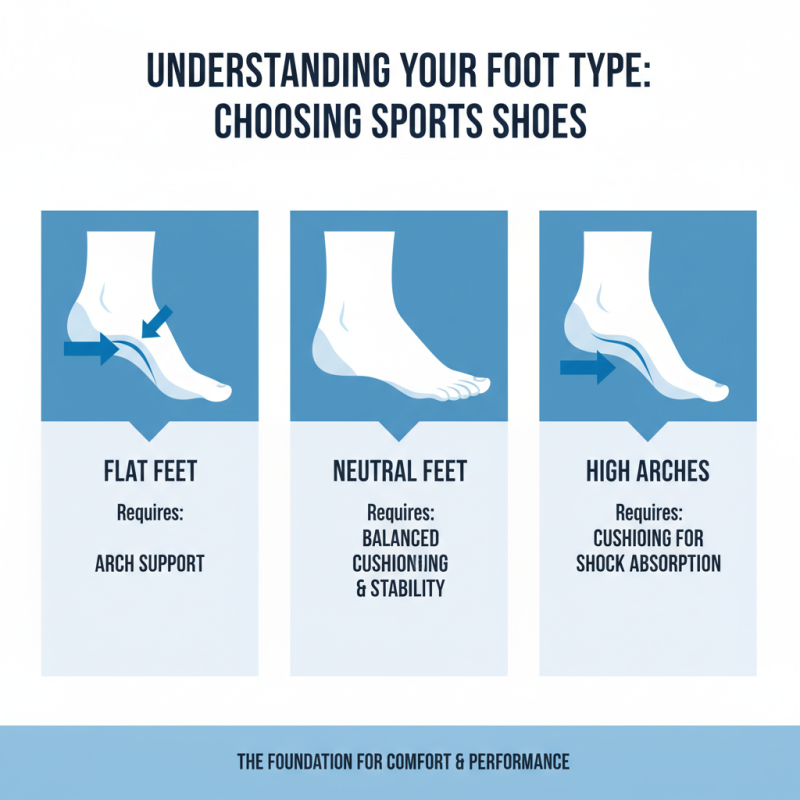
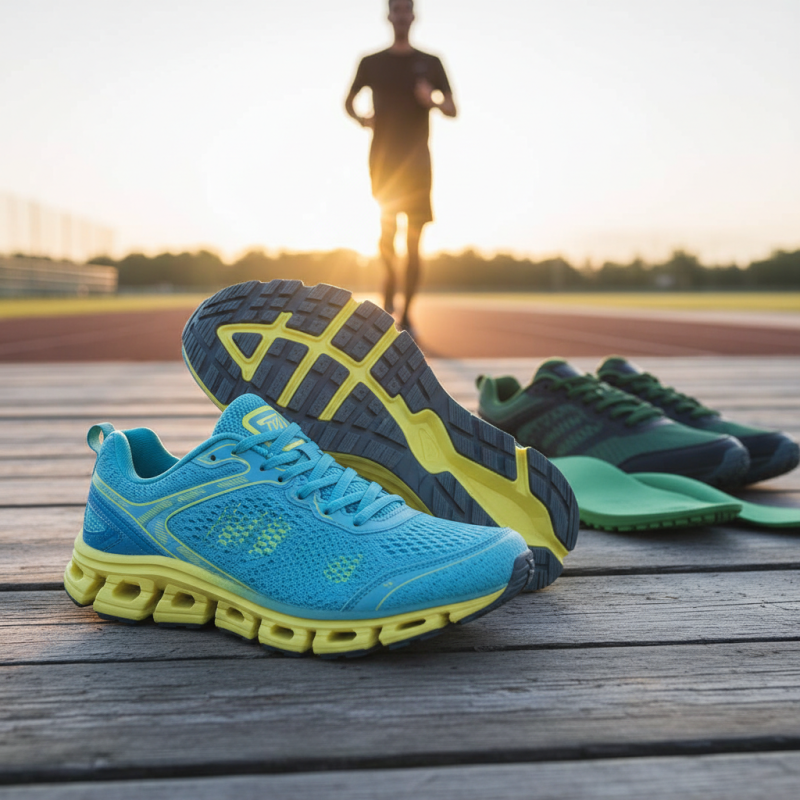
Understanding your foot type is essential for choosing the right sports shoes. Feet come in different shapes and types. Knowing whether you have flat, neutral, or high-arched feet can greatly affect your comfort during workouts. For instance, flat feet often require additional arch support. High arches may need cushioning to absorb shock.
When shopping for sports shoes, take time to analyze your foot. You can do a simple wet test by stepping on a piece of paper with wet feet. This helps reveal your arch type. Don't rush this process. A rushed decision can lead to discomfort and injuries. It’s worth noting that individuals with flat feet may benefit from structured shoes. Meanwhile, those with high arches might find relief in shoes with soft soles.
Remember, everyone’s feet are unique. Even slight variations matter. People usually ignore their foot width. A narrow fit can cause blisters, while too much space leads to instability. Take a moment to consider these details. You might need to try various styles before finding the right fit. Each person's journey to the ideal sports shoe involves trial and error. Embrace it.
Evaluating Different Shoe Categories: Running, Cross-Training, and More
When choosing sports shoes, understanding the specific needs of your workout is crucial. Running shoes are designed for forward motion. They offer cushioning and flexibility, vital for absorbing impact. However, they may lack lateral support. If you're into high-intensity workouts or cross-training, you need a different approach. Cross-training shoes provide stability and support for various activities. They often feature a more rigid outsole, which helps during side-to-side movements.
Consider your workout environment. If you train on trails, choose shoes with better grip and durability. For gym workouts, versatility is key. Reflect on your foot shape, arch type, and any specific discomforts. Some may prefer a snug fit; others need extra room. Pay attention to cushioning levels. While maximum comfort sounds ideal, it might lead to instability during quick movements. Always try shoes on before buying. Walk around a bit. A great shoe should feel right immediately, not require a long break-in period.
Key Features to Look For: Cushioning, Support, and Durability Stats
When choosing sports shoes, focusing on cushioning is essential.
A study from the Journal of Sports Science found that shoes with proper
cushioning can absorb impacts and reduce stress on joints. Good cushioning may decrease the
risk of injuries by up to 25%. Look for shoes with
materials like EVA foam, known for its excellent shock absorption.
Support is equally important.
Research indicates that inadequate support can lead to overpronation, causing
discomfort and injuries. A report by the American Podiatric Medical Association
states that 70% of runners experience foot pain due to poor support. Shoes designed
with stability technology
can help maintain foot alignment during workouts.
Durability is a key factor to
consider. On average, quality athletic shoes should last between 300 to 500 miles.
However, many shoes fall short of this lifespan due to excessive wear and inadequate construction.
Regularly assessing the condition of your shoes can prevent untimely replacements and enhance
your workout experience. Invest time in researching materials and designs that promise longevity.
The Importance of Fit: How Proper Sizing Affects Performance and Injury Risk
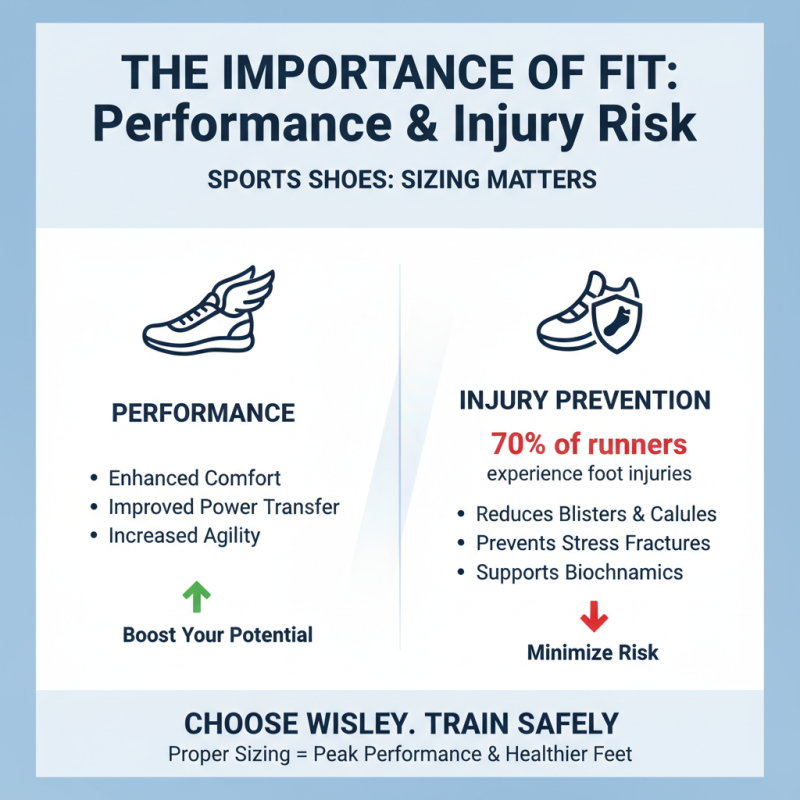
Choosing the right sports shoes is crucial for any workout. Proper sizing plays a significant role in performance and injury prevention. Studies show that nearly 70% of runners experience foot injuries. Improper fit is often the culprit, leading to issues like blisters, calluses, and even stress fractures.
When selecting shoes, consider your foot shape and arch type. A good fit will allow your toes to wiggle and provide support without being too tight. The American Podiatric Medical Association recommends trying shoes on later in the day when your feet are slightly swollen. Make sure to walk and jog around the store to assess comfort.
Tips: Always measure both feet. They may differ in size. Take time with this process. A small miscalculation can lead to pain down the line. Remember, shoes should be replaced every 300-500 miles to maintain support. Stay cautious: just because a shoe looks good doesn’t mean it fits well.
Analyzing Expert Recommendations: Industry Professionals and Consumer Reports
Choosing the right sports shoes can feel overwhelming. Recommendations from industry professionals often guide consumers in making choices. Experts suggest looking for comfort and support tailored to specific activities. Running shoes may not be ideal for court sports. Proper fit is crucial to prevent injury and improve performance. However, what works for one person may not work for another.
Consumer reports reveal mixed feedback on various features. Some prioritize breathability; others seek durability. Analyzing online reviews can uncover issues, like discomfort after extended wear. It's essential to read the experiences of others but also reflect on personal needs. Price often influences decisions, but investing in quality may save money long-term.
In selecting shoes, consider lifestyle and workout habits. Weekly mileage can dictate your choice in running shoes. Weight, foot arch, and terrain also play roles. The ‘perfect’ pair might still lead to blisters or lack of traction. Ultimately, understanding your body and preferences is key. Personal trials are indispensable in this journey of finding the right fit.
How to Choose the Best Sports Shoes for Your Workout Needs?
| Type of Sports Shoe |
Recommended For |
Key Features |
Price Range |
User Rating |
| Running Shoes |
Runners and Joggers |
Lightweight, Breathable, Cushioning |
$80 - $150 |
4.5/5 |
| Cross-Training Shoes |
Multi-Discipline Athletes |
Versatile, Stability, Support |
$70 - $120 |
4.3/5 |
| Basketball Shoes |
Basketball Players |
High Ankle Support, Traction, Durability |
$90 - $180 |
4.6/5 |
| Walking Shoes |
Casual Walkers |
Comfort, Arch Support, Lightweight |
$50 - $100 |
4.4/5 |
| Trail Running Shoes |
Trail Runners |
Grip, Stability, Water Resistance |
$100 - $160 |
4.5/5 |